
Best Electrical Rubber Mat Supplier in India: Complete Buyer’s Guide
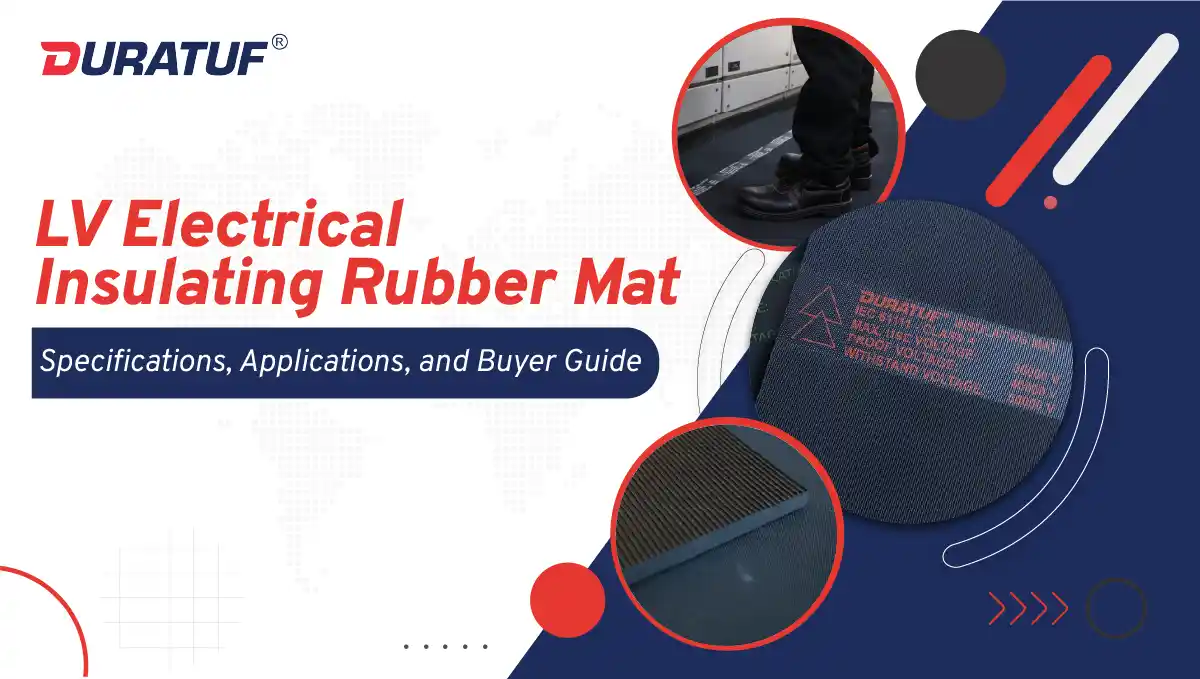
Electrical accidents remain one of the most common workplace hazards in industrial environments. Whether it is a power plant, transformer room, switchgear area, electrical control panel or manufacturing facility, proper insulation protection is critical for operator safety. One of the most effective preventive solutions is the use of high-quality electrical insulating rubber mats.
Selecting the right electrical rubber mat supplier in India is not only about price. Industries today require certified insulating mats that comply with IS 15652, IEC 61111, and ASTM D178 standards while delivering long-term dielectric protection, anti-skid performance, and durability in demanding environments.
In this blog, we will explore how to choose the best electrical rubber mat manufacturer, what technical factors to evaluate, the importance of compliance standards, and why certified insulating mats are essential for electrical safety.
Why Are Electrical Safety Mats Important?
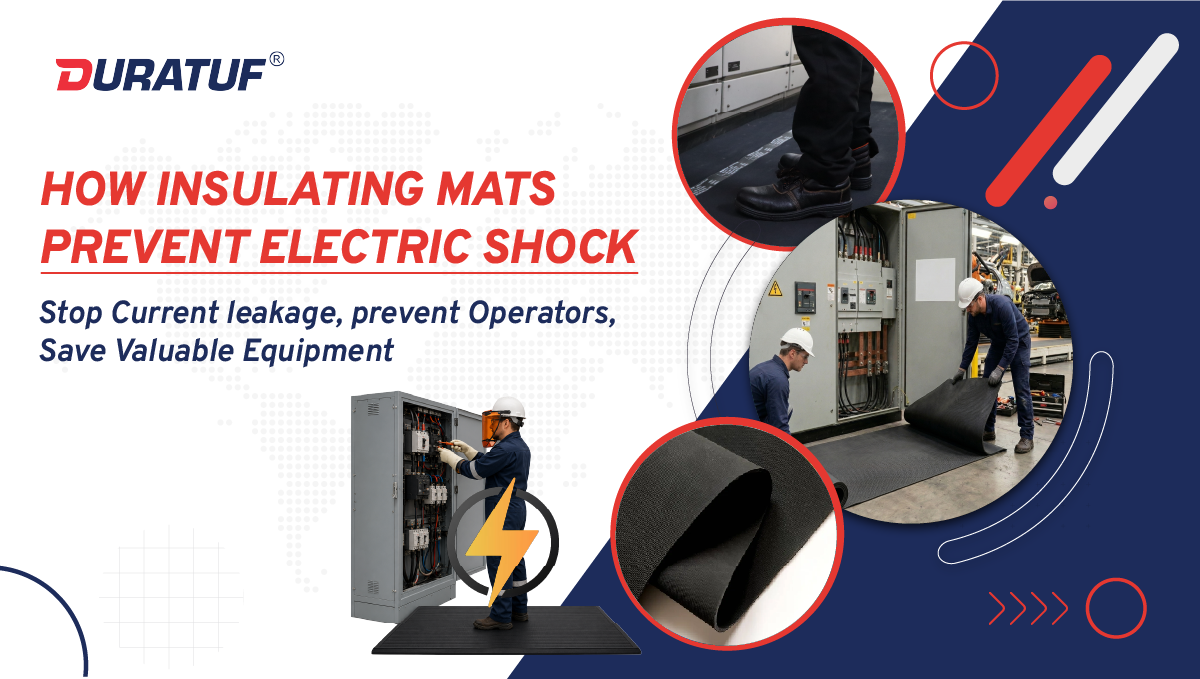
Even a minor insulation failure in electrical environments can lead to severe injury, equipment damage or fatal electrocution. Industrial workplaces handling high-voltage equipment require reliable electrical protection systems as part of mandatory workplace safety practices.
Electrical insulating mats help:
- Prevent electrical shocks.
- Improve operator safety near live panels.
- Reduce current leakage risks.
- Enhance workplace electrical compliance.
- Provide anti-skid support during operations.
- Resist transformer oil and industrial chemicals.
- Improve insulation in HT and LT areas.
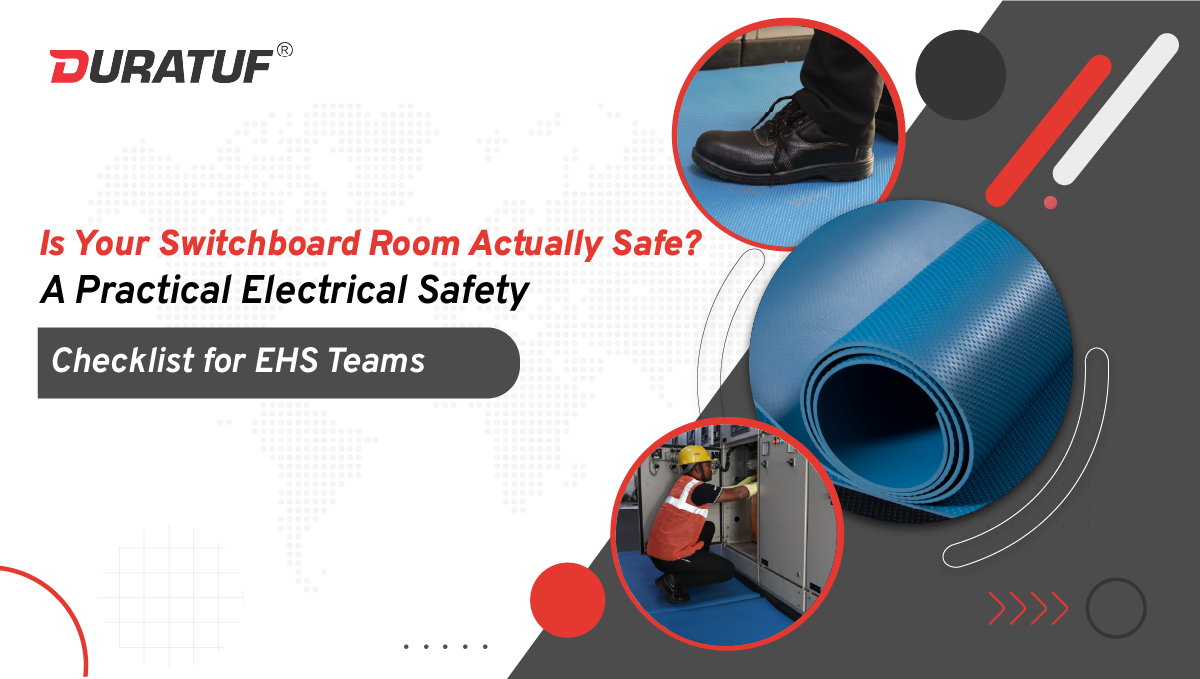
Industries such as steel plants, railways, power utilities, factories, solar plants, chemical units, and data centers widely use dielectric rubber mats for operator protection.
How to Choose the Best Electrical Rubber Mat Supplier in India
Choosing the right manufacturer is essential because insulating mats directly impact workplace safety. Before purchasing electrical safety mats, industries should evaluate several technical and compliance parameters.
1. Compliance with IS 15652 Standard
One of the most important factors is BIS compliance under IS 15652 standards. Certified mats undergo dielectric testing and quality verification to ensure safe use near electrical installations.
Always verify:
- BIS certification.
- Batch testing reports.
- Voltage classification.
- Manufacturing details.
- Thickness specifications.
- Surface finish quality.
2. Check Dielectric Strength
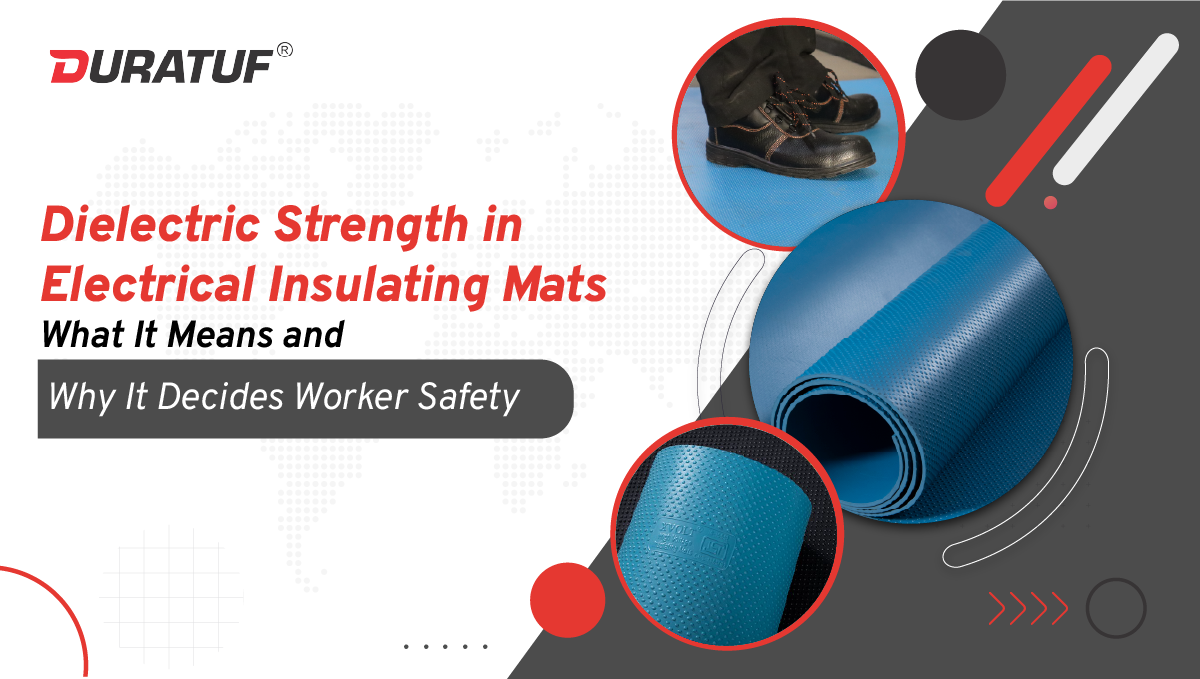
Dielectric strength determines the insulation capability of the rubber mat against electrical breakdown.
High-quality electrical insulating mats should offer:
- Excellent insulation resistance.
- High dielectric strength.
- Low leakage current.
- Stable performance under high voltage.
Inferior quality mats may fail under electrical stress and increase workplace hazards.
3. Surface Finish and Anti-Skid Properties
Electrical mats should provide strong grip and operator stability.
Look for:
- Anti-skid surface patterns
- Textured finish
- Slip-resistant properties
- Easy maintenance surface
Anti-skid insulating mats improve operator movement in industrial electrical areas.
4. Oil, Flame, and Ozone Resistance
A reliable electrical rubber mat supplier should provide products with:
- Flame retardant properties
- Oil resistance
- Heat resistance
- Ozone resistance
- Moisture resistance
These properties improve product life and operational safety.
5. Manufacturing Capability and Quality Testing
Trusted insulating mat manufacturers invest in modern rubber compounding, quality inspection processes, compliance verification systems, etc.
Ask suppliers about:
- Production capacity.
- Testing methods.
- Quality certifications.
- Export capabilities.
- Technical documentation.
Voltage Selection Guide for Electrical Insulating Mats
Selecting the correct mat thickness and voltage category is critical for safety.
| Voltage Application | Recommended Thickness | Common Standard |
|---|---|---|
| Up to 3.3kV | 2mm | IS 15652 |
| Up to 11kV | 2.5mm | IS 15652 |
| Up to 33kV | 3mm | IS 15652 |
Common Mistakes While Buying Electrical Rubber Mats
Many industries purchase low-quality insulating mats without evaluating technical compliance.
Avoid these common mistakes:
- Buying non-certified mats.
- Ignoring voltage classification.
- Choosing incorrect thickness.
- Ignoring dielectric testing reports.
- Purchasing from unverified suppliers.
- Selecting low-grade rubber compounds.
- Ignoring anti-skid requirements.
- Failing to inspect compliance certifications.
Electrical safety should never be compromised for lower pricing.
How to Maintain Electrical Insulating Mats
Proper maintenance improves product life and operational safety.
Best Maintenance Practices
- Clean mats regularly using dry cloth or mild cleaning solution.
- Avoid excessive oil accumulation.
- Inspect mats for cracks or cuts.
- Replace damaged mats immediately.
- Store mats away from direct sunlight.
- Conduct periodic electrical inspection.
Routine inspection helps maintain insulation performance over time.
Why Choose Duratuf as an Electrical Rubber Mat Supplier in India
Duratuf is a trusted manufacturer and supplier of electrical insulating rubber mats for industrial safety applications, delivering to 65+ countries with 4142 happy customers over 16 years.
The company focuses on:
- IS 15652 compliant insulating mats.
- High-voltage electrical safety solutions.
- Advanced rubber compounding.
- Quality-controlled manufacturing.
- Industrial-grade anti-skid mats.
- Export-quality electrical safety products.
- Durable dielectric insulation materials.
Duratuf insulating mats are designed for demanding industrial environments where electrical safety and long-term durability are essential.
Conclusion
Electrical insulating rubber mats is very essential for workplace electrical safety. Choosing the right electrical rubber mat supplier in India requires careful evaluation of compliance standards, dielectric performance, anti-skid properties, testing certifications, and manufacturing quality.
Industries should always prioritize certified insulating mats that comply with IS 15652, IEC 61111, and ASTM standards to ensure reliable operator protection near electrical systems.
Whether for substations, HT panels, LT panels, transformer rooms or industrial control areas, high-quality electrical insulating mats help create a safer and more compliant working environment.
For industries looking for durable and certified electrical safety solutions, selecting a trusted insulating mat manufacturer ensures long-term safety, compliance, and operational reliability.