
Why Should You Use Electrical Insulating Mats?
Proper security and perfect safety tools can prevent or reduce the chances of any accident in the workplace. Using electrical insulating mats is one of them if you are working with high-voltage electricity. It will provide you and your employees with reliable protection from electric shock, arc flash, and electrocution. Besides keeping workers safe, rubber insulating mats also assist them in increasing their productivity and reducing workplace downtime.
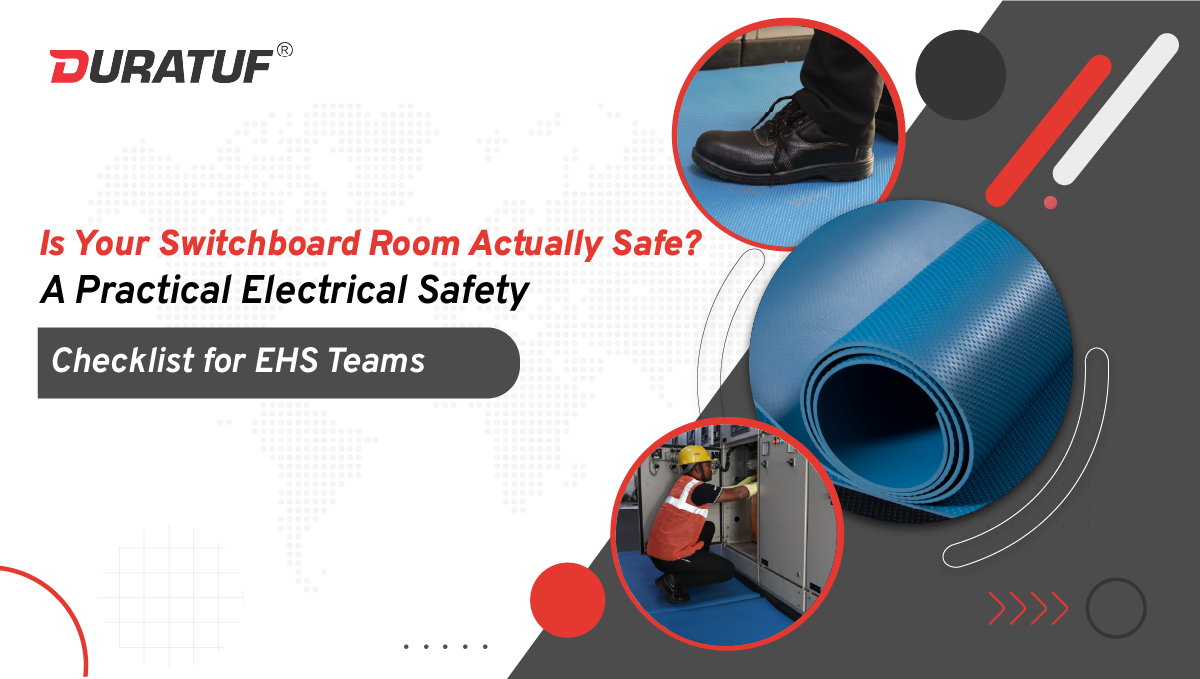
Electrical protection matting should be used at any point when you are working close to or operating a switchboard, electrical panel, or any mechanical equipment that presents a danger of electric shock. It is not only yourself you are protecting, it is your team and everyone working around you.
What is an Electrical Insulating Mat?
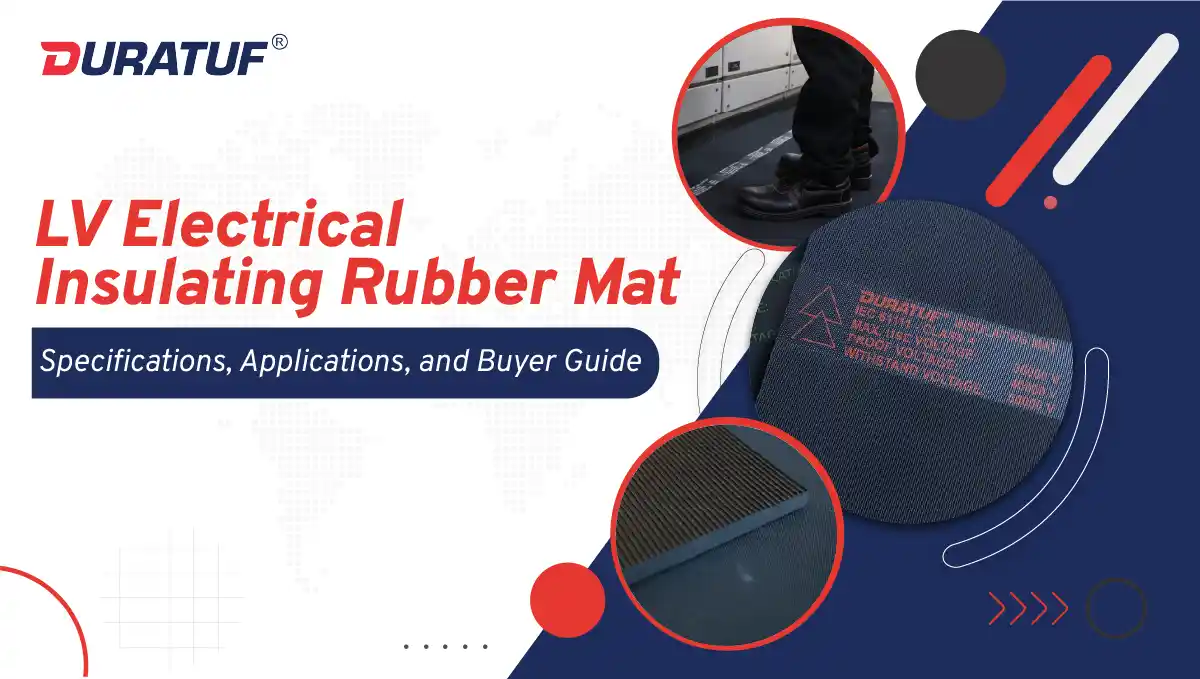
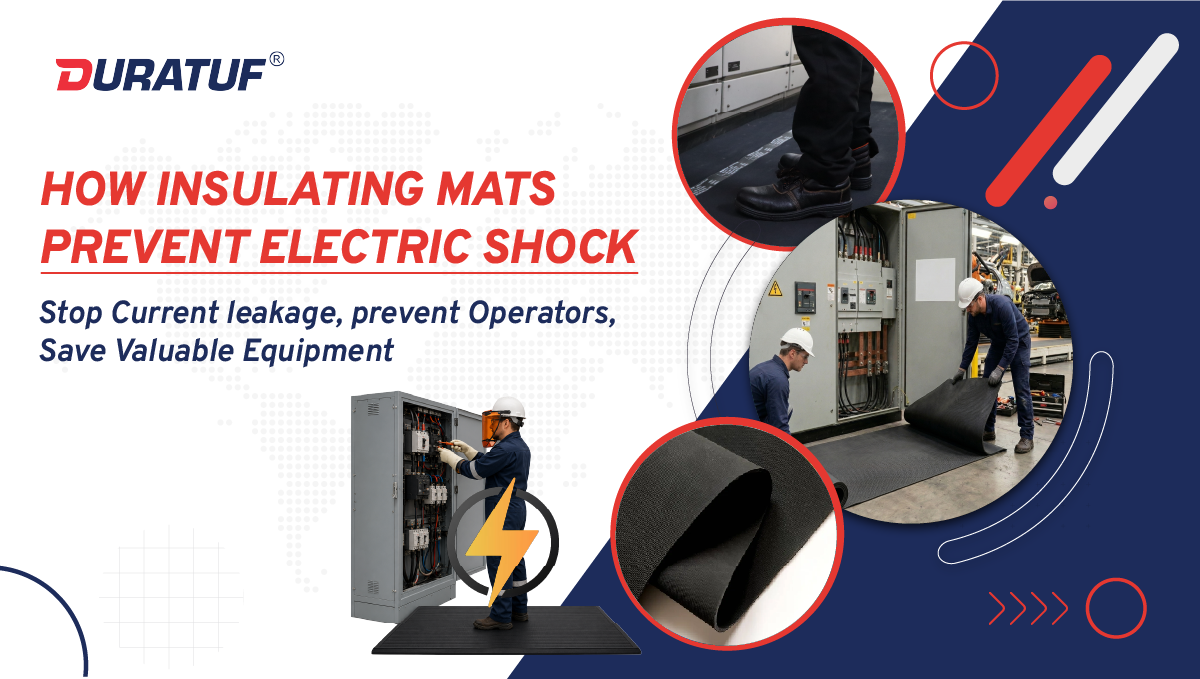
An electrical insulating mat, also referred to as a dielectric mat or rubber insulating mat, is a voltage-rated rubber floor covering designed to protect workers from electric shock. It creates a non-conductive barrier between the worker and the ground, preventing electrical current from completing a circuit through the human body.
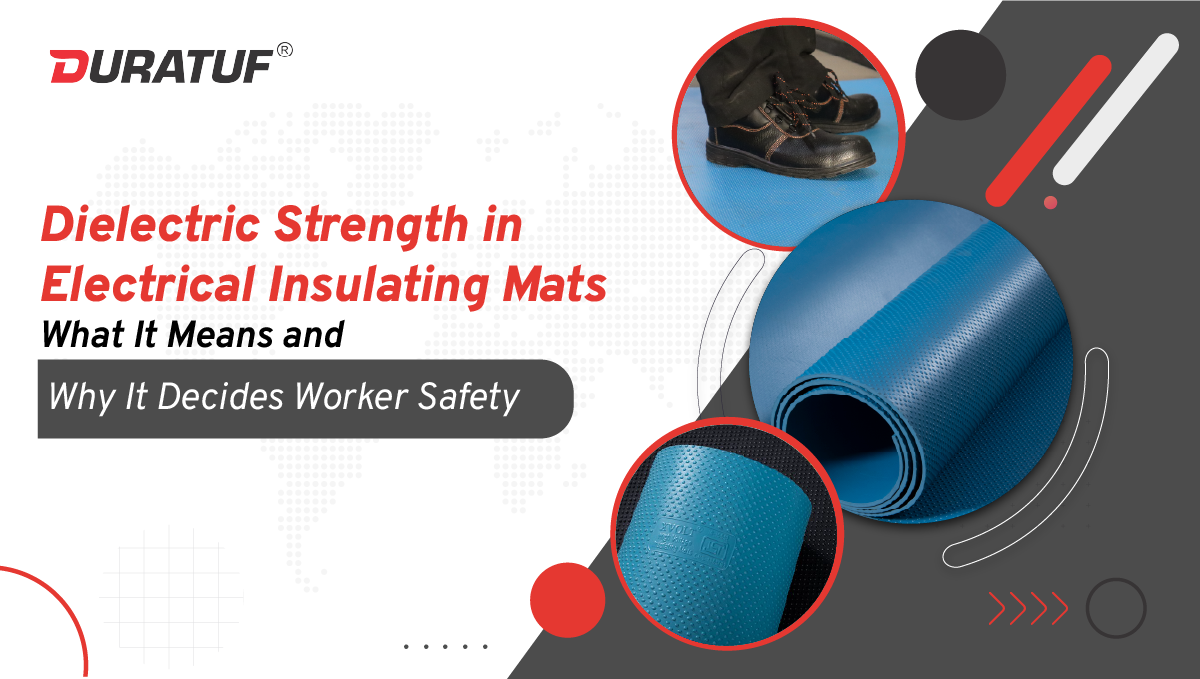
These mats are manufactured from specially compounded rubber and tested to meet international safety standards such as IEC 61111, IS 15652, and ASTM D1048, ensuring they can withstand specific voltage levels under operating conditions.
Where Should Electrical Insulating Mats Be Used?
Electrical insulating mats should be used in any location where workers are exposed to live electrical equipment operating at 230V or above. Specific applications include:
- In front of electrical panels and distribution boards
- Switchboard rooms and control rooms
- Generator rooms and UPS rooms
- Electrical substations
- Industrial machine control panels
- Battery rooms
- Transformer bays
The industry rule is clear: if the operating voltage is 230V or higher, electrical insulating matting is not optional; it is a safety requirement.
The Danger from Electric Shock in the Workplace
The danger from electric shock originates from inadequately protected electrical equipment, exposed wiring, or machinery that is not properly earthed. The severity of an electric shock depends on the magnitude of current passing through the body and the duration of contact. Minor shocks cause a sudden jolt, but prolonged contact can result in muscle spasms, loss of motion, cardiac arrest, and in severe cases, death. An additional hazard is the risk of burns, caused when high current enters and exits the body at the points of contact.
This is precisely why rubber insulating mats are a non-negotiable safety requirement wherever electrical equipment is in operation.
Did You Know? Electrical Safety Mats Also Reduce Physical Accidents in the Workplace
Electrical rubber floor matting has anti-skid properties. It features a corrugated or ribbed surface that enhances grip underfoot. Often, workers in industrial facilities suffer from slips and falls near electrical equipment, which cause severe injuries and costly downtime. ASTM D178 or IEC 61111-compliant rubber insulating matting has a ribbed or textured surface that provides traction on the floor, reducing the risk of physical accidents and associated downtime costs.
Key Hazards That Insulated Rubber Mats Protect Electrical Workers From
Workers operating near live electrical equipment face multiple categories of risk. A properly rated dielectric mat provides protection against all of the following:
- Arc flashes due to electrical faults: Arc flash events release intense heat and light energy. An insulating mat prevents the worker from being a current path during a fault event.
- Excessive current discharge due to short circuits: Short circuits cause sudden current surges; a non-conductive mat isolates the worker from the discharge path.
- Electrocution: Direct contact with a live conductor can be fatal. The rubber mat eliminates the ground return path required to complete the circuit through the body.
- Short circuit conditions: Even indirect exposure to short circuit events creates risk. Matting reduces this risk at the worker's standing position.
Ergonomic Benefits: Why Electrical Workers Need Anti-Fatigue Matting
Workers operating high-voltage appliances and control equipment often work for prolonged hours in a standing position. Over time, this leads to fatigue in their joints, legs, and lower back, reducing their ability to perform at optimal efficiency. A rubber electrical insulating mat provides a cushioning effect underfoot. This reduces the physical strain on workers, decreasing the chances of fatigue-related errors and joint issues. The result is a safer, more comfortable working environment that elevates worker productivity.
Insulating Mat for Health and Safety: The HSE Perspective
A common question from safety officers and EHS managers is: "Will a rubber mat prevent electric shock?"
Yes, provided the mat is rated for the voltage in use, is free of physical damage, and has been tested and certified to the applicable standard (IEC 61111, IS 15652, or ASTM D1048). The mat creates a dielectric barrier, isolating the worker from ground potential and preventing current from completing a circuit through the body.
According to HSE guidelines, before selecting the right electrical safety matting, a risk assessment should answer three key questions:
- Who could be hurt?
- What level of voltage hazard is present?
- What precautions are required to prevent an accident?
For any workplace where equipment operates at 230V or higher, the answer to the third question includes the use of electric shock protection mats or electrical insulating mats as a first line of defence.
Selecting and Maintaining Your Electrical Insulating Mat
Once you have your rubber insulating mat in place, routine inspection and maintenance are essential to ensure it continues to perform as rated. Key guidelines:
- Inspect regularly: Check for punctures, cracks, cuts, or surface wear before each use. A damaged mat must be removed from service immediately.
- Store correctly: Keep the mat in a dry location, away from sunlight, oils, acids, and chemicals that can degrade the rubber compound.
- Confirm chemical resistance: Always choose mats that are fire-resistant, oil-resistant, slip-resistant, and puncture-resistant for the specific environment.
- Demand a test certificate: When purchasing, always request a test certificate from the manufacturer confirming voltage class, dimensions, and compliance to the applicable standard. This is your proof of protection.