
Protect Workers from High-Voltage Electrical Hazards Around Transmitters, Generators & Distribution Cables
Power generation plants, substations and transmission facilities operate with high and extra-high voltage equipment. Engineers and technicians work daily around generators, transformers, switchyards, switchgear and control panels, where even a small insulation failure can lead to severe injury, fatalities, equipment damage and large-scale power outages.
In the power sector, electrical safety is not optional; it is critical to protect lives and power infrastructures.
Our electrical insulating rubber mats create a safe and compliant working zone around live electrical equipment, helping power utilities and EPC contractors protect personnel, reduce risk and meet stringent IS 15652 / IEC 61111 / ASTM D178 safety standards.
Electrical Safety Challenges Faced by Power Industries
Power utilities face the highest electrical risk levels due to voltage intensity, open electrical areas and continuous operations.
Key Electrical Safety Risks:
- Extreme electric shock risk near HT or EHT switchgear and panels,
- Live work in substations and switchyards,
- Exposure to outdoor conditions, moisture and temperature variations,
- Strict regulatory and audit requirements,
- High consequences of failure cause grid instability or outages.
Any electrical incident in this sector can have wide-scale operational, legal and public safety impact.
Certifications & Memberships


Duratuf Heavy-Duty Electrical Insulating Mats for Power Company’s Safety
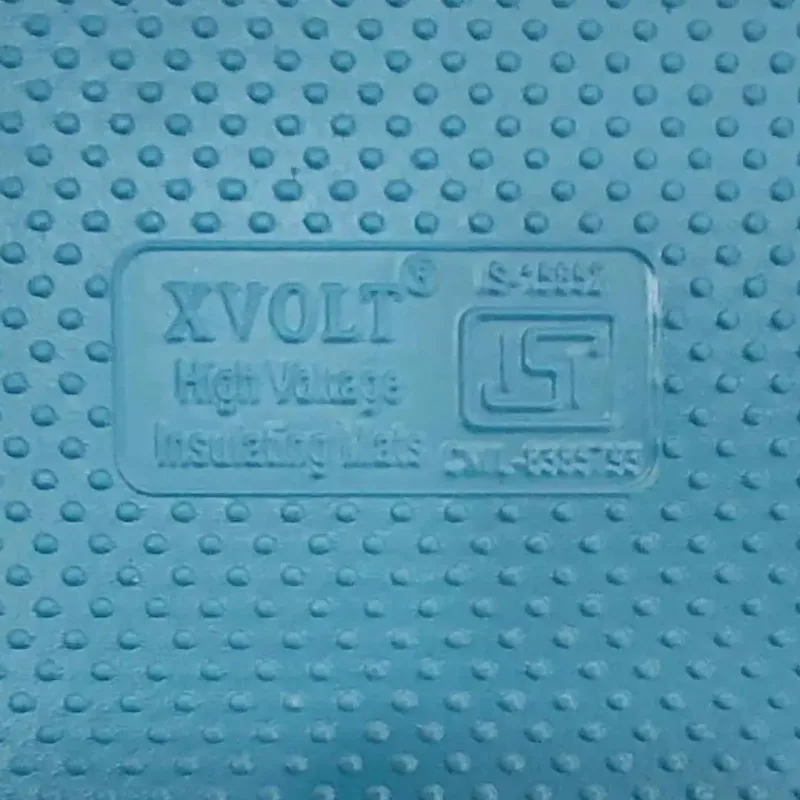
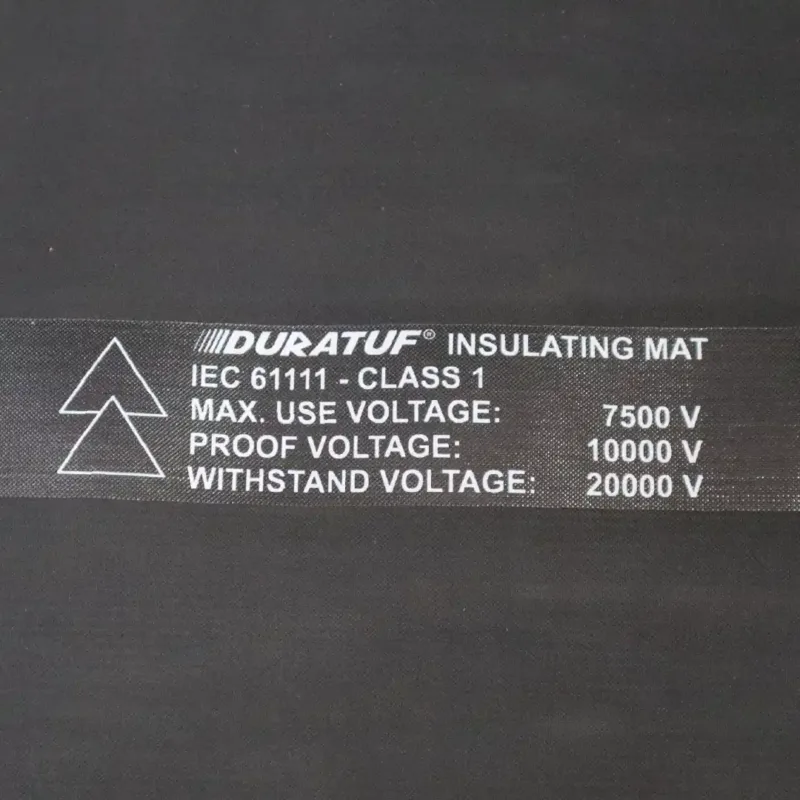
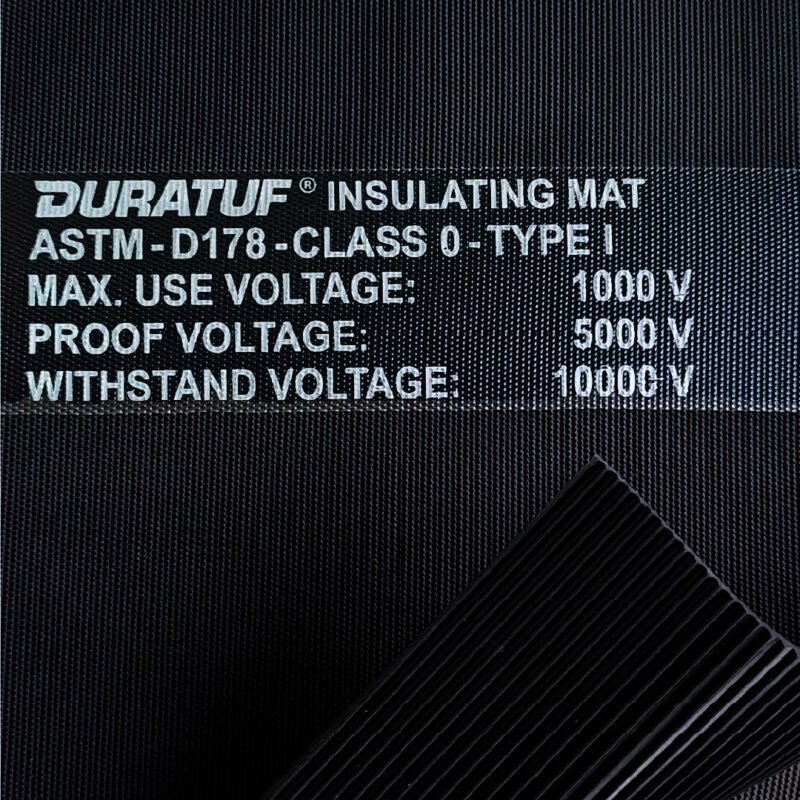
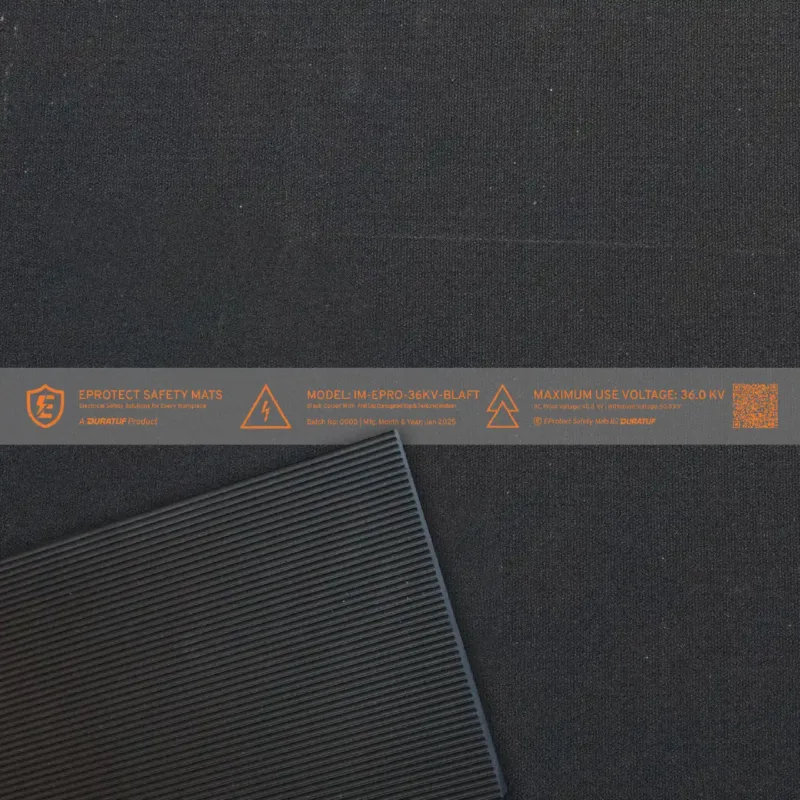
We provide high-performance electrical insulating mats designed to enhance workplace safety across power generation plants, substations, and transmission facilities. Our mats are type-tested to meet internationally recognized safety standards, including IS 15652 for Indian industries, IEC 61111 for global markets across the Middle East, Europe, Asia, & South America, and ASTM D178 for American industries.
Application of Electrical Insulating Mats in Power Industries
Every point in a power facility where an electrical worker operates near live equipment requires certified insulating mat coverage underfoot. These are the eight critical deployment zones across power generation, transmission and distribution facilities.
Thermal | Hydro | Gas | Nuclear
Generating Stations
Placed in front of generator control panels, excitation panels, turbine hall switchgear and auxiliary MCC rooms. Generator terminal voltages in most plants operate at 11 kV to 33 kV, requiring rated mat coverage at all live access points.
Grid | Step-Up | Receiving Substations
HV and EHV Substations
Used in front of 33 kV, 66 kV, 132 kV and 220 kV transformer panels, protection relay panels and switchgear bays. Class 3 and Class 4 mats cover the widest range of substation voltage levels in India and internationally.
220 kV | 400 kV | 765 kV Yards
Outdoor Switchyards
Deployed inside control buildings and in front of protection relay panels at 220 kV, 400 kV and 765 kV outdoor switchyards. Class 4 mats rated to 36 kV maximum use voltage are the standard requirement at EHV transmission yards.
3.3 kV | 6.6 kV | 11 kV Systems
HT Control Panels and MCC Rooms
Laid in front of 3.3 kV, 6.6 kV and 11 kV motor control centres, draw-out switchgear panels and bus coupler positions in process plant auxiliaries, pumping stations and industrial power houses.
Power | Distribution | HT Metering
Transformer Rooms
Installed around transformer plinths, near bushing terminals and tap changer positions in indoor transformer rooms, HT metering rooms and compact distribution substations. Class 2 and above are recommended for all transformer room environments.
SLDC | RLDC | Control Buildings
Load Dispatch and SCADA Control Rooms
Placed at SCADA operator consoles, protection relay panel rows and telecom equipment areas in State and Regional Load Dispatch Centres. Although control room voltages are low, live interfaces to 132 kV to 400 kV bus systems require qualified mat coverage at all workstations.
LV | MV Field | Network Maintenance
Cable Jointing and Field Maintenance Zones
Portable roll-out mats used by field crews at LV and MV cable jointing bays, cross-connection cabinets and live line maintenance positions across distribution networks. Lightweight Class 0 and Class 1 rolls that can be carried to site are the standard format here.
Solar | Wind | Hybrid Power Plants
Renewable Energy Plants
Deployed inside inverter rooms, MV transformer stations, SCADA monitoring containers and string combiner enclosures in utility-scale solar and wind installations. Grid connection points at 11 kV to 33 kV determine the required class for each facility.
How to Choose the Right Insulating Mat Class for Your Power Facility
Match your facility type and system voltage to the correct mat class below. The mat's maximum use voltage must always equal or exceed the operating voltage of the panel or equipment you are working in front of.
| Facility / Location | System Voltage | IS 15652 Class (India) | IEC 61111 / ASTM D178 | Max Use Voltage |
|---|---|---|---|---|
| LV switchboards and cable jointing zones | Up to 415 V | Class A | Class 0 | 1.0 kV (IEC) / 3.3 kV (IS) |
| 3.3 kV HT panels and MCC rooms | 3.3 kV | Class A | Class 1 | 7.5 kV (IEC) / 3.3 kV (IS) |
| 6.6 kV switchgear and process MCCs | 6.6 kV | Class B | Class 1 * | 7.5 kV (IEC) / 11.0 kV (IS) |
| 11 kV distribution substations and switchgear | 11 kV | Class B | Class 2 | 17.0 kV (IEC) / 11.0 kV (IS) |
| Generator control rooms (thermal, hydro, gas) | 11–33 kV | Class B or C | Class 2–4 | Select by generator terminal voltage |
| 33 kV primary and grid substations | 33 kV | Class C | Class 4 | 36.0 kV (IEC) / 33.0 kV (IS) |
| 66 kV to 220 kV grid substations and SLDCs | 66–220 kV | Class C | Class 4 | 36.0 kV (IEC) / 33.0 kV (IS) |
| 400 kV and above EHV switchyards | 400 kV+ | Class C | Class 4 | 36.0 kV — maximum class available |
* For 6.6 kV systems: IEC Class 1 (7.5 kV max use) is the technical minimum. Class 2 (17.0 kV max use) provides a larger safety margin and is recommended where specification allows.
** For 66 kV and above substations: mats are specified at Class C / Class 4 as standard industry practice, as workers within EHV environments face induced voltage and step-potential risks regardless of local control panel voltage.
Source: IS 15652:2006 (BIS), IEC 61111:2009, Duratuf Technical Reference.
Not sure which class your facility needs?
Talk to Our Safety TeamWhy Choose Duratuf for Electrical Insulating Matting in Power Industries

High-Voltage Environments
Our insulating mats are designed to perform reliably in HT and EHT conditions found in power plants and substations.

Easily for Installations
Duratuf Insulating rubber mats maintain insulation performance even when exposed to moisture, dust and varying temperatures.

Best for Live Electrical Work
Our safety mats provide a reliable footing for engineers performing inspections and maintenance on live equipment.

Long-Term Protection
Each insulating mat is tested to ensure stable dielectric strength over long service life.

Global Safety Standards
Our insulating mats support compliance with national and international electrical safety standards.
Our Clientele


Enquire for Certified Insulating Mats — Power Generation & T&D
Our team works directly with power utilities, EPC contractors and EHS managers to specify the right certified mat for your application — IS 15652, IEC 61111:2009 or ASTM D178.
Talk to Our Electrical Safety Experts
We respond within 60 Minutes.
Trusted by Power Utilities & Industrial EHS Teams
"We bought insulating mats from them and the agent who guided us through the process was very good. Hassle-free and very responsive. Very good."
"A regular buyer of Duratuf insulating rubber mats. Product quality and after-sales service have been consistently good across orders."
"Best choice for ensuring safety, quality and durability. Recommended without hesitation for industrial applications."
"A regular buyer of Duratuf electrical insulating rubber mats. Both product quality and service have been excellent."