

X-Volt Insulating Mats
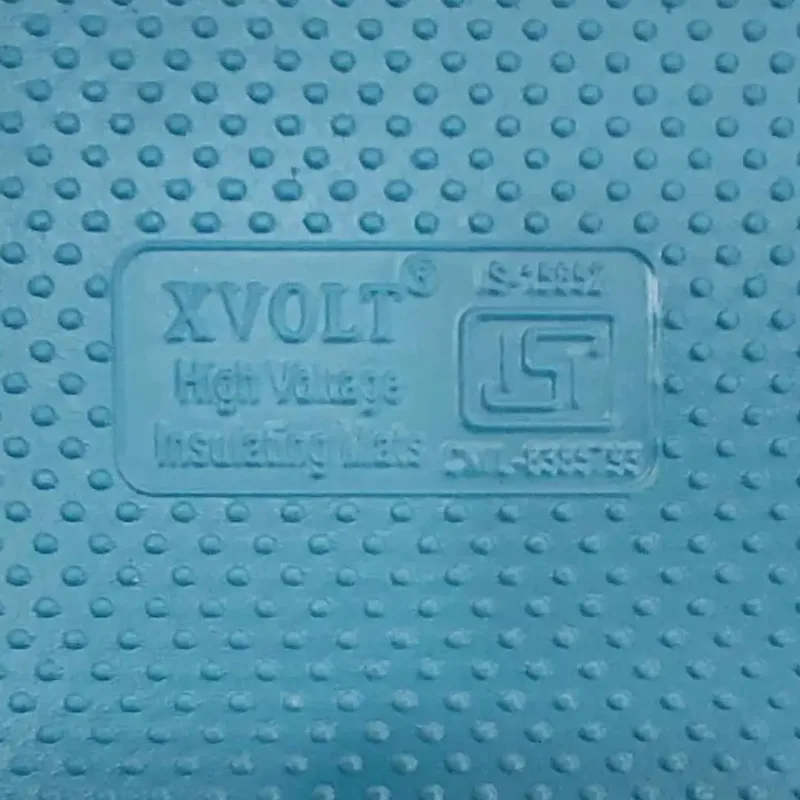
IS 15652:2006
The flagship general-purpose mat for Indian substations and panel rooms.
Explore X-Volt
Protect your workers from electrical Hazards with IS 15652 / IEC 61111 / ASTM D178 Standards Electrical Rubber Mats | Tested up to 36,000V
IS 15652 · IEC 61111 · ASTM D178
Choose by standard, class and application.
The challenge
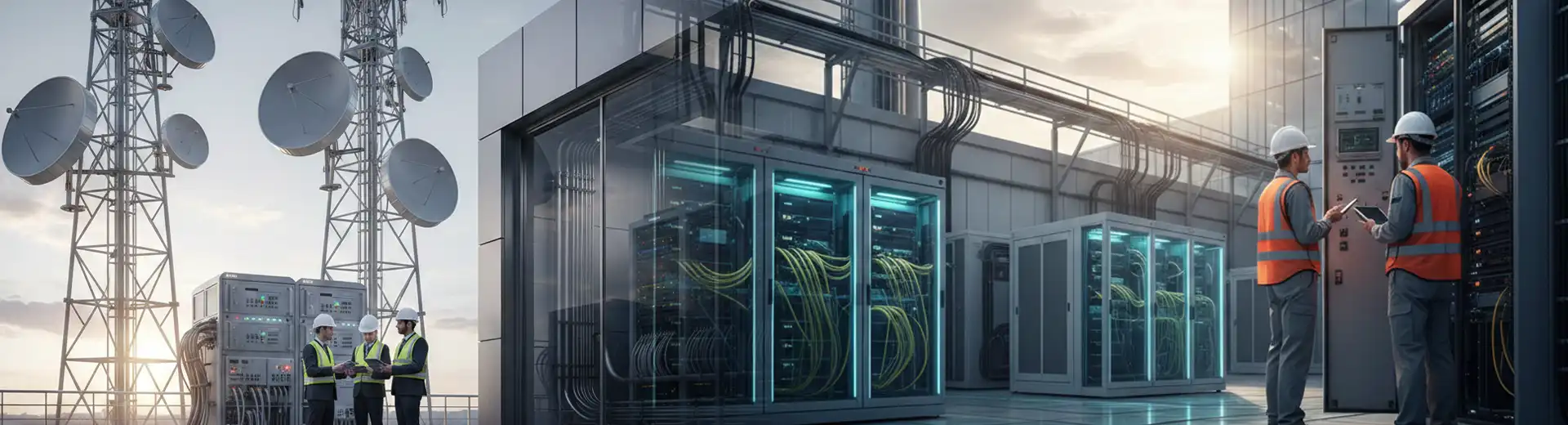
Telecom networks depend on continuous electrical systems to keep communication infrastructure running at all times. From large switching centres and network exchanges to BTS tower sites and outdoor equipment shelters, technicians work daily around rectifier panels, battery banks, power distribution boards and LT switchgear at 415V AC and 48V DC systems. Even in these lower-voltage environments, live electrical work without proper insulation creates a real and constant risk of electric shock for field and facility technicians.
In telecom operations, the electrical risk is compounded by 24/7 uptime requirements, live maintenance at energised sites, remote locations with limited emergency support and the varied conditions of outdoor and indoor telecom installations. Electrical safety is not optional; it is critical to protect technicians and maintain uninterrupted network service.
Our electrical insulating rubber mats create a safe and compliant working zone around live electrical equipment, helping telecom facility managers and EHS teams protect personnel, reduce risk and meet IS 15652 / IEC 61111 / ASTM D178 safety standards without affecting network continuity.
Trusted & Certified










The Range
IS 15652:2006
The flagship general-purpose mat for Indian substations and panel rooms.
Explore X-Volt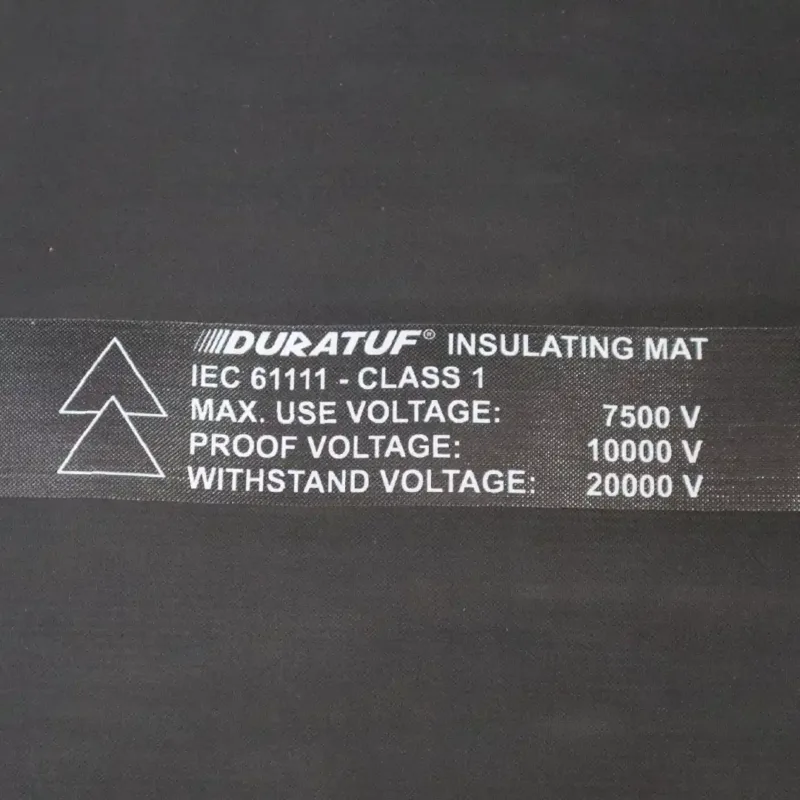
IEC 61111:2009
The flagship general-purpose mat for Indian substations and panel rooms.
View Technical Specs
ASTM-D178
The flagship general-purpose mat for Indian substations and panel rooms.
Discover X-Volt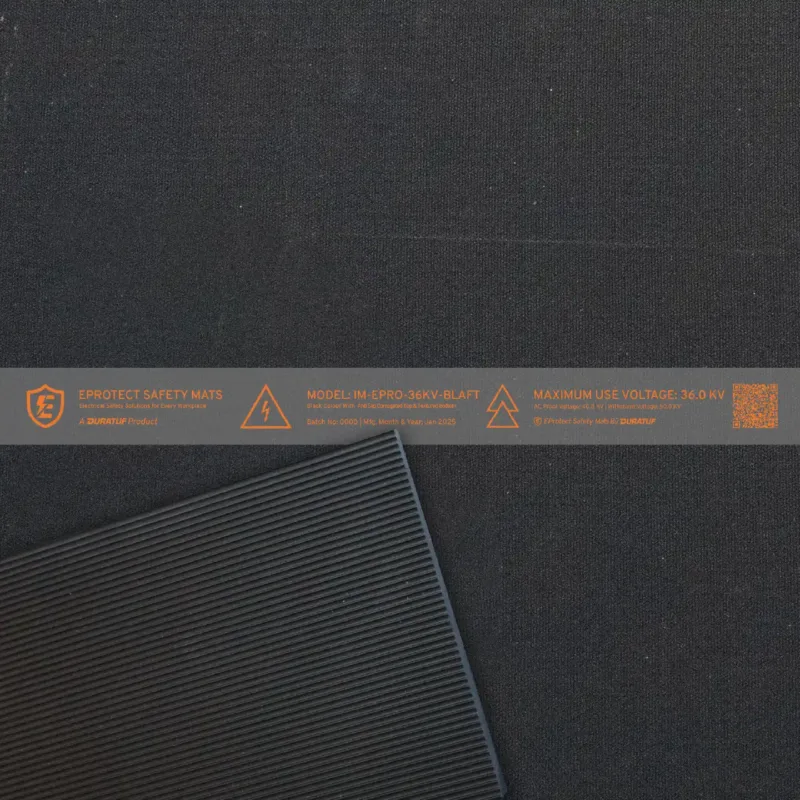
EProtect
The flagship general-purpose mat for Indian substations and panel rooms.
Find Your Mat ClassDeployment zones
Electrical insulating matting may be considered at work positions where personnel operate near electrical equipment. The correct specification depends on the task, equipment, standard and assessed hazard.

Telecom facilities · Selection assistant
Choose the facility and system voltage to view a starting reference for your specification conversation. Always confirm the applicable standard and current test documents before procurement.
Six questions · Standard, class and stock match
An insulating mat is one layer of protection. It does not replace isolation, earthing, safe work procedures or other PPE. Final selection is subject to installation conditions and a qualified electrical safety assessment. Figures marked “verify” are being confirmed against licensed copies of the standards.
Why Duratuf
Use product documentation and a site-specific assessment to decide whether a particular Duratuf mat is right for the job.
Our insulating mats perform reliably across indoor facilities, outdoor shelters and remote telecom installations.
Built for continuous electrical exposure, these mats support uninterrupted telecom operations.
Our Insulating safety mats help technicians work confidently around live power equipment without compromising safety.
Each insulating mat is tested to deliver consistent dielectric strength over its service life.
Our mats help telecom companies meet IS / IEC / ASTM standards and internal safety policies across multiple countries.
Our Clients
Our clients are not just business collaborations but relationships we value for a lifetime. We commit ourselves to manufacture features rich high quality insulating mats.




















FAQs
Electrical safety mat selection is standards-led. The answers below are intentionally qualified; check current manufacturer documents and local requirements before specifying.
In telecom facilities, insulating mats should be installed in front of rectifier panels and battery banks, power distribution boards (PDB), LT switchgear rooms, HT electrical rooms at large exchanges, BTS and tower site electrical panels, DG set control rooms and any area where technicians access live electrical equipment.
Battery rooms and rectifier panels in telecom facilities have 415V AC supply. IS 15652 Class A (3.3kV working voltage) or IEC 61111 Class 0 (1.0kV maximum use voltage) is technically correct for 415V AC areas. IEC 61111 Class 1 (7.5kV max use) is commonly specified for an additional safety margin and is the preferred choice for most telecom operators.
For 11kV HT electrical rooms at large switching centres and exchanges, IS 15652 Class B (11kV working voltage) or IEC 61111 Class 2 (17kV maximum use voltage) is required.
Yes. For outdoor BTS sites, tower base stations and telecom shelters exposed to moisture and temperature variation, ASTM D178 Type II mats with ozone-resistant or moisture-resistant properties are recommended. Portable roll-out formats in Class 0 or Class 1 are practical for field maintenance at remote BTS locations.
Most telecom equipment OEMs specify electrical safety requirements based on national or international standards — IS 15652 for India, IEC 61111 for international deployments, ASTM D178 for the Americas. Mats with valid type test certificates and standard markings satisfy these requirements in most cases. Confirm the OEM’s electrical safety specification before procuring.
Yes. IS 15652, IEC 61111 and ASTM D178 certified mats are accepted in electrical safety audits for telecom facilities in India and internationally. Mats with valid type test certificates support compliance during DoT-related inspections, telecom operator internal EHS audits and third-party safety assessments across all sites.