
Electrical Safety at Festival Events in India: A Practical Guide for Electrical Teams and Managers
India’s festival season is also India’s peak season for electrical accidents.
Between Navratri, Dussehra, Diwali, Christmas, and the Durga Puja celebrations stretching across Bengal, Bihar, and Odisha, tens of thousands of temporary electrical installations come up across the country in a matter of weeks. These setups include pandals, stage lighting rigs, generator enclosures, food court power points, and street illuminations. They are assembled quickly, often by informal labour, under intense deadline pressure.
The consequence is predictable. The Central Electricity Authority of India records approximately 12,000 electrical accidents annually across the country, and festival and public gathering setups account for a disproportionate share of incidents. In October 2022, a halogen light overheating at a Durga Puja pandal killed 17 people and injured 75. In September 2025, at least 9 people died from electrocution during Durga Puja preparations after a cloudburst flooded streets where temporary wiring was active.
This guide is for the professionals responsible for getting it right: electrical contractors, DISCOM field teams, DG set operators, EHS managers of large industrial companies sponsoring or participating in festival events, and safety officers at municipal bodies managing public venue electrical infrastructure.
Why Festival Electrical Installations Are High-Risk
Permanent electrical installations in factories, substations, and commercial buildings are designed to standards, commissioned by licensed electricians, inspected periodically, and governed by continuous regulatory oversight.
Temporary festival installations are almost the opposite.
Speed over standards: Pandal lighting, stage rigs and generator hookups are typically installed days or hours before the event with no time for formal commissioning or load testing.
Informal workforce: Much of the installation work in India is carried out by casual electricians with variable training levels and no formalised site supervision.
Overloading: Festival venues routinely add equipment without recalculating load capacity. More lights, more sound, more food vendor connections get added to existing circuits. Breakers trip and get bypassed. Extension boards cascade off each other.
Wet environment exposure: India’s festival season from September through November coincides with the monsoon tail. Wet floors, rain-exposed switchboards, and generator sets placed on flooded ground create direct shock paths.
No isolation protocols: In permanent installations, lockout and tagout procedures isolate live equipment before anyone works near it. At festival sites, this rarely happens.
Each of these factors individually elevates risk. Together, they create environments where electrical fatalities are a matter of when, not if.
The Indian Regulatory Framework You Must Know
Central Electricity Authority Regulations (CEAR) 2023
The Central Electricity Authority (Measures Relating to Safety and Electric Supply) Regulations 2023 are the primary legal framework for electrical safety in India. Key provisions relevant to event and temporary installations include:
- Regulation 44: Mandates installation of RCCBs (Residual Current Circuit Breakers) rated at 30mA for shock protection in installations where human contact risk exists.
- Regulation 43 & 50: Requires proper earthing of all non-current-carrying metallic parts of electrical equipment.
- Regulation 32: Requires periodic inspection and testing of all electrical installations.
Non-compliance with CEAR is not just a safety failure. It is a legal liability. Event organizers and electrical contractors who cannot demonstrate compliance face FIR registration and civil liability in the event of an accident.
BIS and IS 15652 for Insulating Mats
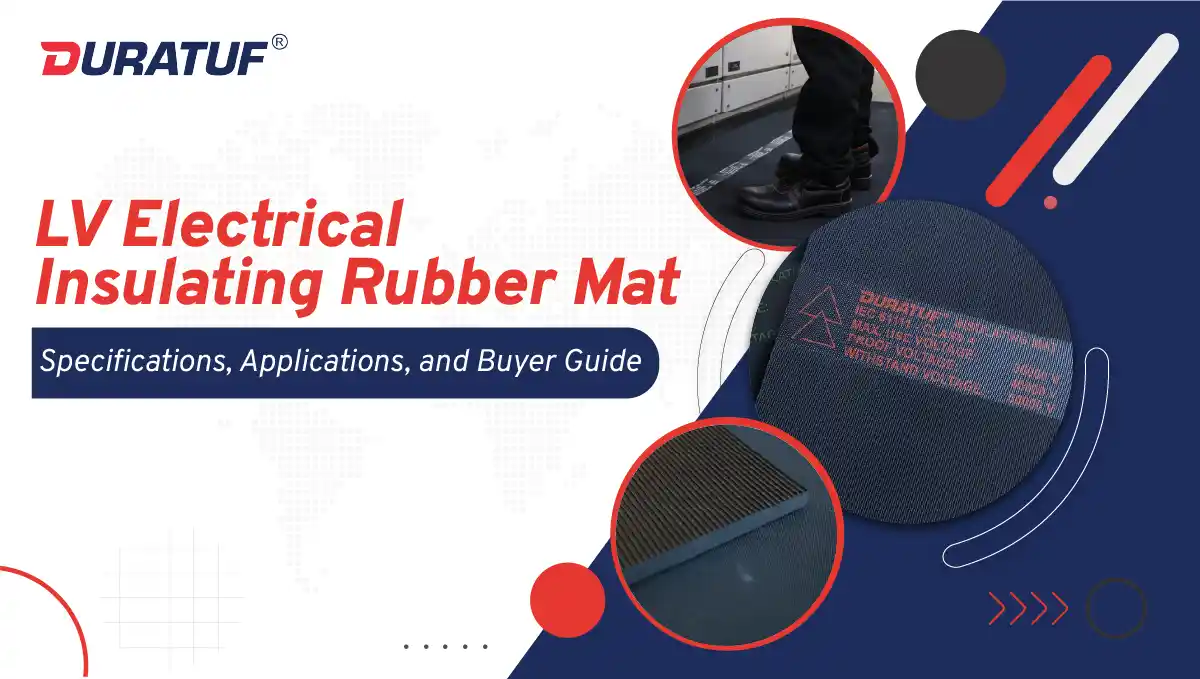
The Bureau of Indian Standards IS 15652:2006 is the applicable standard for electrical insulating rubber mats used in India. Any insulating mat placed near live electrical equipment at an event, including generator enclosures, temporary switchboards, and control panels, must carry IS 15652 certification with BIS marking.
Using a non-certified rubber mat near live equipment provides no certified electrical protection and creates documented liability.
NDMA Guidelines for Mass Gatherings
The National Disaster Management Authority of India has issued guidelines for mass gathering safety that include electrical safety provisions for public event infrastructure. Event organisers and venue managers at public festivals are expected to demonstrate compliance with these guidelines when applying for police or municipal permission.
High-Risk Electrical Zones at a Festival Venue and What Each Needs
Understanding where risks concentrate allows targeted mitigation. For electrical teams managing festival power, these are the zones requiring the most rigorous controls.
Generator Enclosures and DG Set Areas
Diesel generator sets are typically the primary power source at festival venues not connected to grid supply. They concentrate multiple hazards in one location: high-voltage output terminals, exhaust heat, diesel fuel, and constant human access for refuelling and monitoring.
Minimum requirements:
- IS 15652-certified electrical insulating mats in front of all generator control panels and output terminals.
- Earthing rods installed per CEAR 2023 Regulation 43.
- Physical barriers preventing unauthorised access.
- Weather protection covering the generator and associated switchgear if outdoors.
- RCCB protection on all outgoing circuits from the generator distribution board.
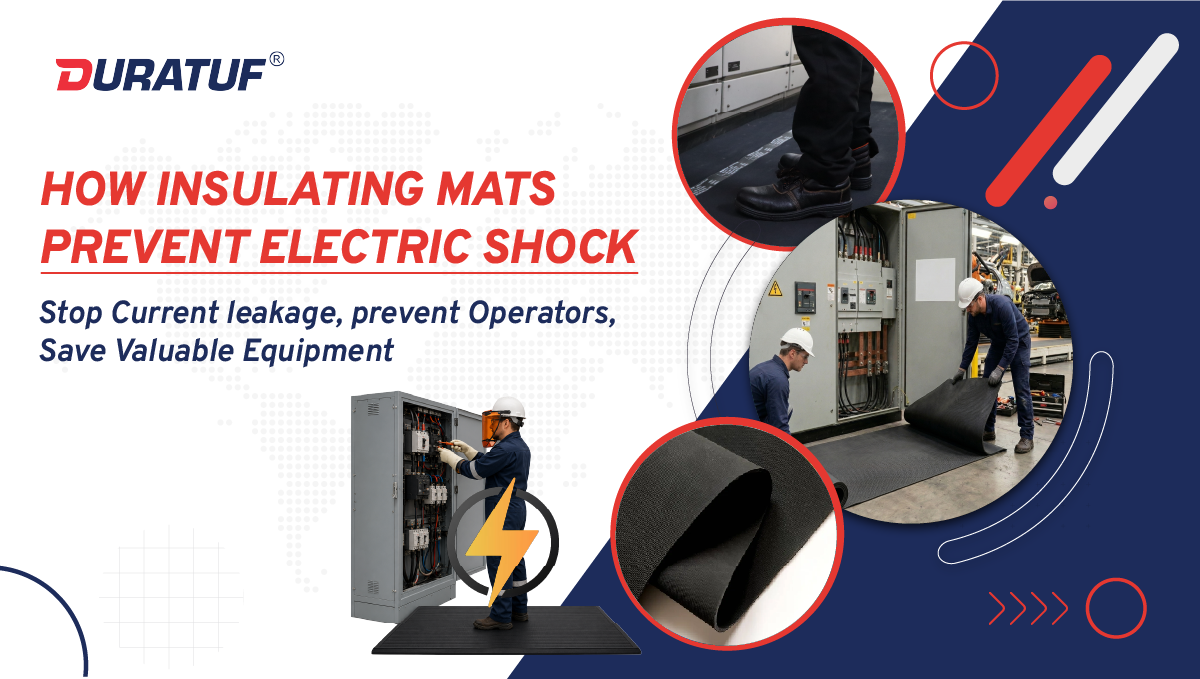
The operator who refuels, monitors, and adjusts the DG set is the person most at risk. An IS 15652 Class A or Class B insulating mat placed at the operating position creates a direct ground isolation barrier between that person and any fault current path.
Temporary Switchboards and Distribution Boards
Temporary distribution boards connect generator output to the venue’s load circuits, including lighting rigs, sound systems, food court power points, and emergency lighting. These boards are live for the duration of the event and are frequently accessed for load adjustments.
Minimum requirements:
- IS 15652 insulating mat (Class A minimum) at the front of all temporary distribution boards.
- All unused openings in panels closed and covered.
- RCCB or MCB protection on each outgoing circuit.
- Boards positioned off the floor or elevated to prevent waterlogging.
- No bypassing of tripped circuit breakers without first investigating and resolving the fault.
Stage and Sound System Power Points
Stage electrical systems at festivals combine high-draw audio amplifiers, LED lighting arrays, and multiple single-phase and three-phase connections on a single temporary distribution network. Load imbalance, harmonic distortion from dimmer packs, and simultaneous connection of equipment from multiple sources create unpredictable fault conditions.
Minimum requirements:
- Separate circuits for audio and lighting to prevent electrical noise and nuisance tripping.
- All cable runs protected by cable ramps or covers in high-footfall zones.
- Ground fault protection on all stage circuits.
- A qualified site electrician present during load-up and throughout the event duration.
Street Illuminations and Decorative Lighting
Decorative lighting including serial bulbs, LED strips, and floodlights is the most widespread electrical hazard at festivals in India. It is typically installed by non-electricians using consumer-grade products not rated for continuous outdoor use.
Key failure modes:
- Indoor-rated fittings used outdoors in post-monsoon damp conditions
- Multiple extension boards and serial bulb strings connected in sequence beyond rated current limits
- Makeshift connectors without insulation tape or proper junction boxes
- Entire lighting strings fed off a single unprotected connection
Minimum requirements:
- All outdoor luminaires rated IP44 or higher
- Series strings not exceeding rated load per circuit
- All wire joints in weatherproof junction boxes
- Each lighting zone protected by a dedicated MCB
- No shared circuits between lighting and high-draw equipment
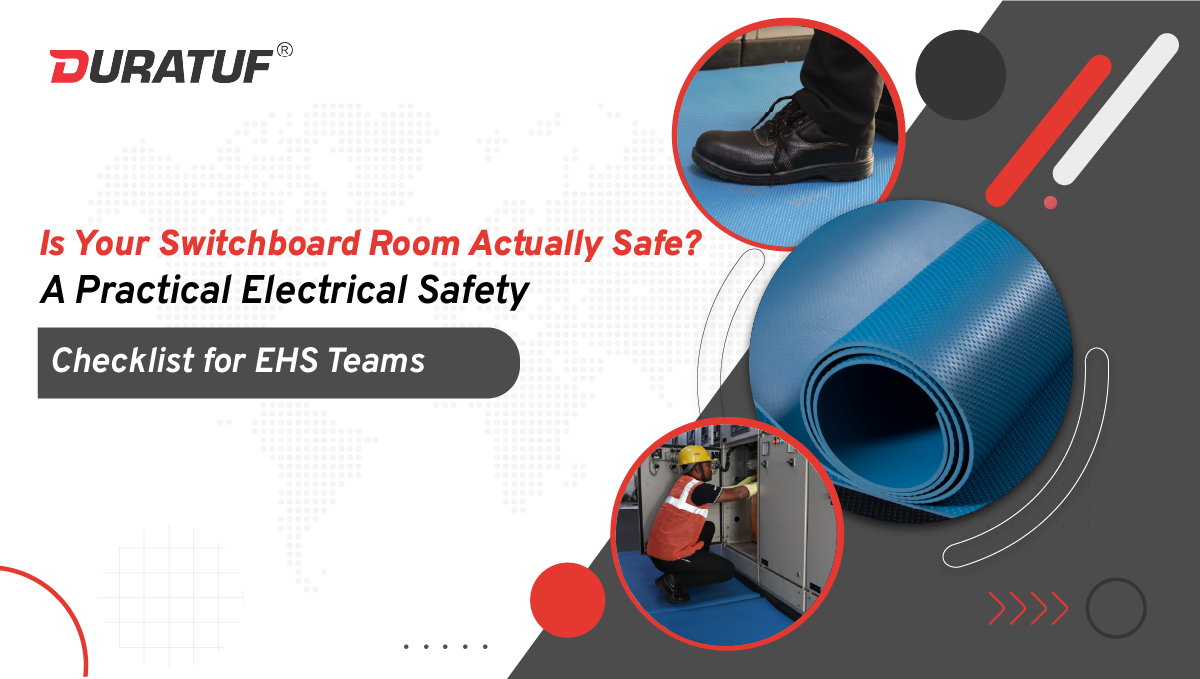
Pre-Event Electrical Safety Checklist for EHS Teams
This checklist is for the EHS manager or electrical supervisor conducting the final site inspection before a festival venue opens to the public.
Generator and Primary Power:
- Generator earthing rod installed and tested.
- IS 15652 insulating mat in place at DG set control panel operating position.
- Generator output voltage tested and within tolerance.
- Fuel level adequate, refuelling route clear of electrical equipment.
- RCCB installed and functional on the main distribution board.
Distribution Boards:
- All distribution boards positioned off wet floors or elevated
- IS 15652 insulating mat at all operator-access positions
- All unused panel openings covered
- Each outgoing circuit labelled and protected by rated MCB or RCCB
- Load calculation completed with no circuit loaded beyond 80% of rated capacity
Wiring and Cabling:
- No exposed wire joints; all connections in appropriate junction boxes.
- Cable routes in pedestrian zones protected by cable ramps or conduit.
- All outdoor cables rated for outdoor use (minimum IP44).
- No bypass of tripped breakers; all faults investigated and cleared.
Wet Environment Controls:
- All switchboards, panels, and power connection points elevated off floor level.
- The generator enclosure has weather protection if outdoors.
- Insulating matting in place in all areas where rain ingress is possible near live equipment.
- Emergency isolation procedure documented and communicated to the site electrical team.
Documentation:
- Electrical layout map available to site team.
- Emergency isolation point locations marked and accessible.
- RCCB test certificates available.
- IS 15652 mat certification documentation available.
- Name and contact of licensed electrician on-site during event duration.
IS 15652 Insulating Mats at Festival Electrical Installations
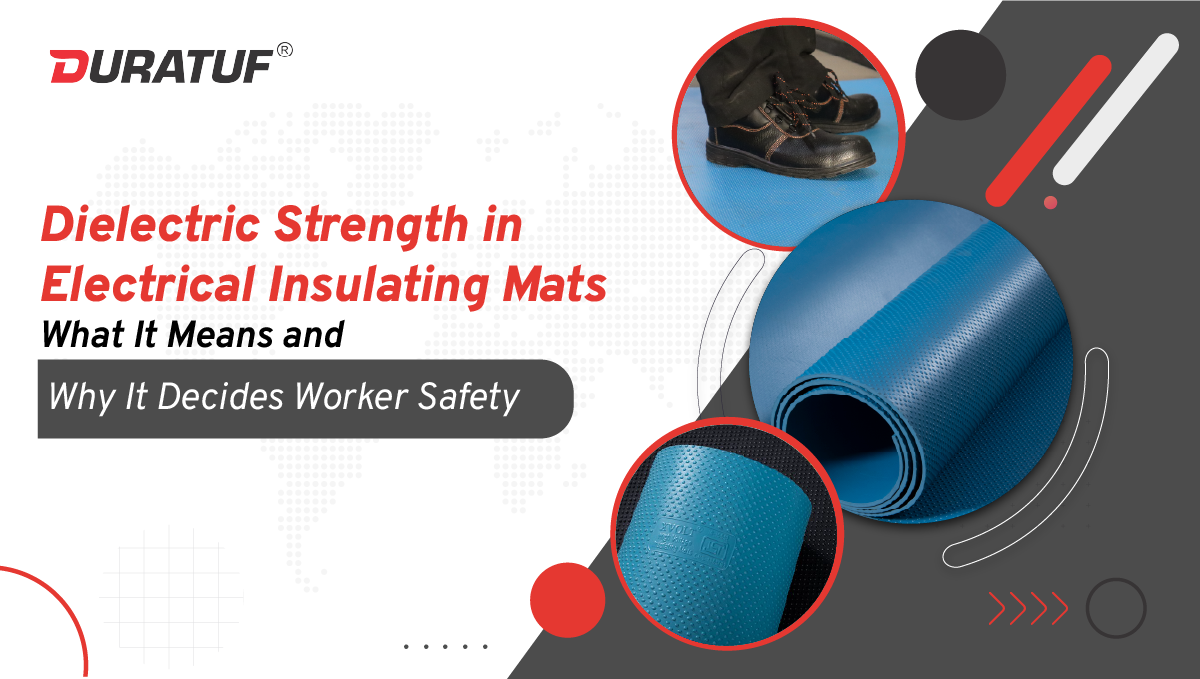
IS 15652 is India’s national standard for electrical insulating rubber mats. It specifies three voltage classes providing certified dielectric protection for electrical teams working near live equipment.
At a festival venue, the most critical deployment points are:
- Generator control panel operating position The DG set operator stands here repeatedly throughout the event.
- An insulating mat at each distribution board operating position reduces this risk significantly for standard LV installations.
- Switchroom and main incomer panel areas Where the venue draws power from a DISCOM supply point, the switchroom floor should be matted with IS 15652-compliant mats. Where the receiver is an 11kV or 33kV transformer, Class B or Class C mats are required respectively.
IS 15652 Class Specifications:
| Class | Working Voltage | AC Proof Voltage | Dielectric Strength | Thickness |
| Class A | 3.3 kV | 10.0 kV | 30.0 kV | 2 mm |
| Class B | 11 kV | 22.0 kV | 45.0 kV | 2.5 mm |
| Class C | 33 kV | 36.0 kV | 65.0 kV | 3 mm |
Post-Event Electrical Safety
Electrical accidents at festival venues do not end when the event does. The dismantling phase, involving pulling down lighting strings, disconnecting distribution boards, and shutting down generators, is when fatigue-related errors happen and when circuits assumed dead may still be live.
Critical post-event controls:
- Isolate before dismantling: Confirm the main incomer and all distribution boards are isolated before any dismantling work begins
- Test before touch: Use a voltage tester on all circuits before handling cables, even those that appear dead
- Sequence the shutdown: Outgoing loads first, generator last. Isolating the generator while loads are still connected creates voltage spikes
- Inspect mats before storage: Check IS 15652 mats for cuts, contamination, or physical damage. Clean, dry, roll (never fold), and store in a clean area for the next deployment
Document the installation: Record the electrical layout, load readings, any circuits that tripped, and any damage observed. This protects the contractor and informs planning for the next event