
Why Electrical Insulating Mats Are Essential for Workplace Electrical Safety
Electrical safety has become one of the biggest concerns for modern industries. From manufacturing plants and power stations to substations and electrical control rooms, workplaces today operate with high-voltage equipment that can pose serious risks to operators and maintenance personnel.
Even a small insulation failure or leakage current can lead to severe electrical accidents, equipment damage, operational downtime or fatal electrocution. This is why electrical insulating mats have become a critical safety requirement in industrial electrical environments.
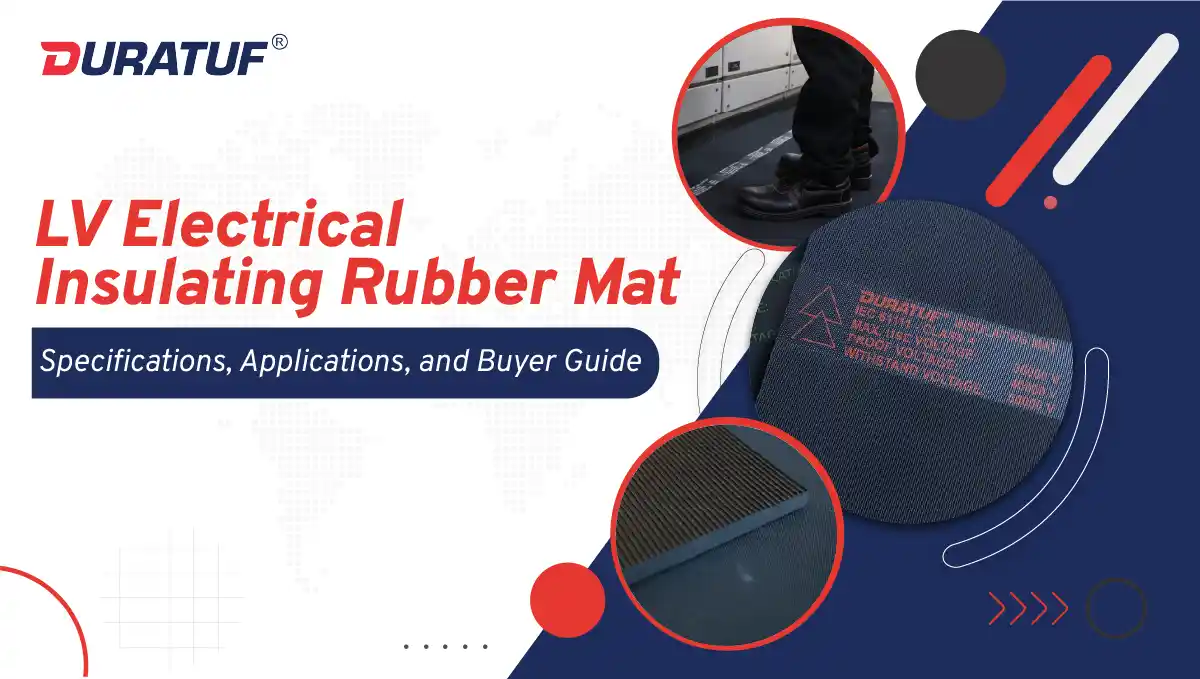
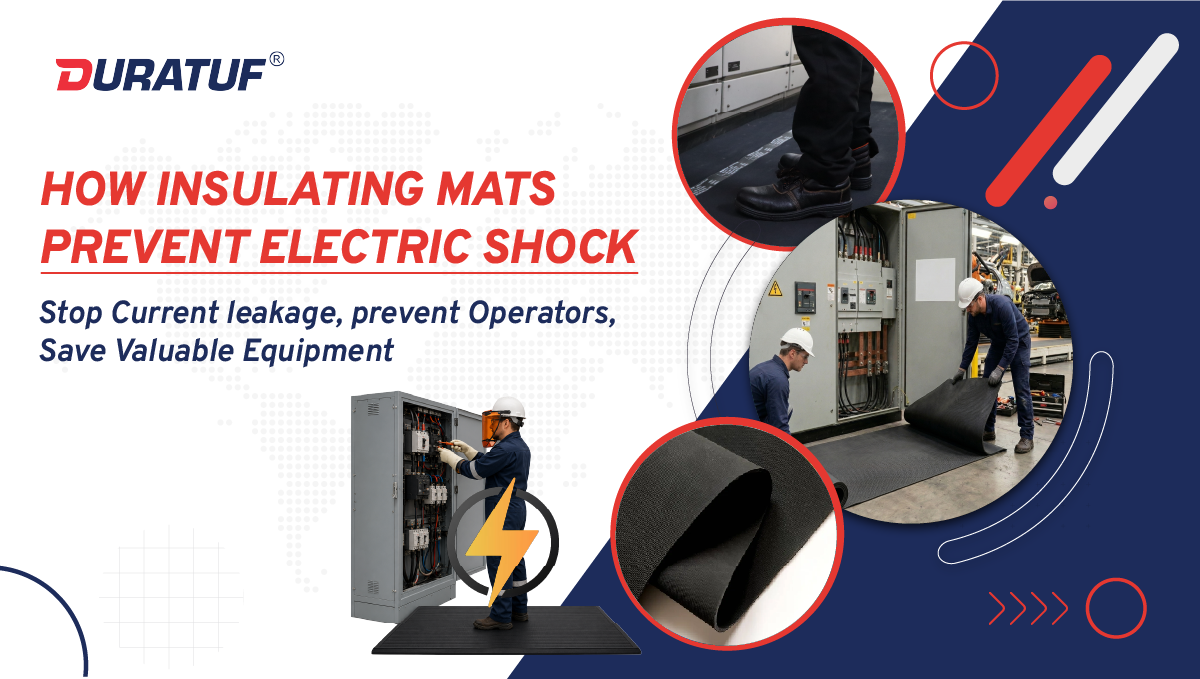
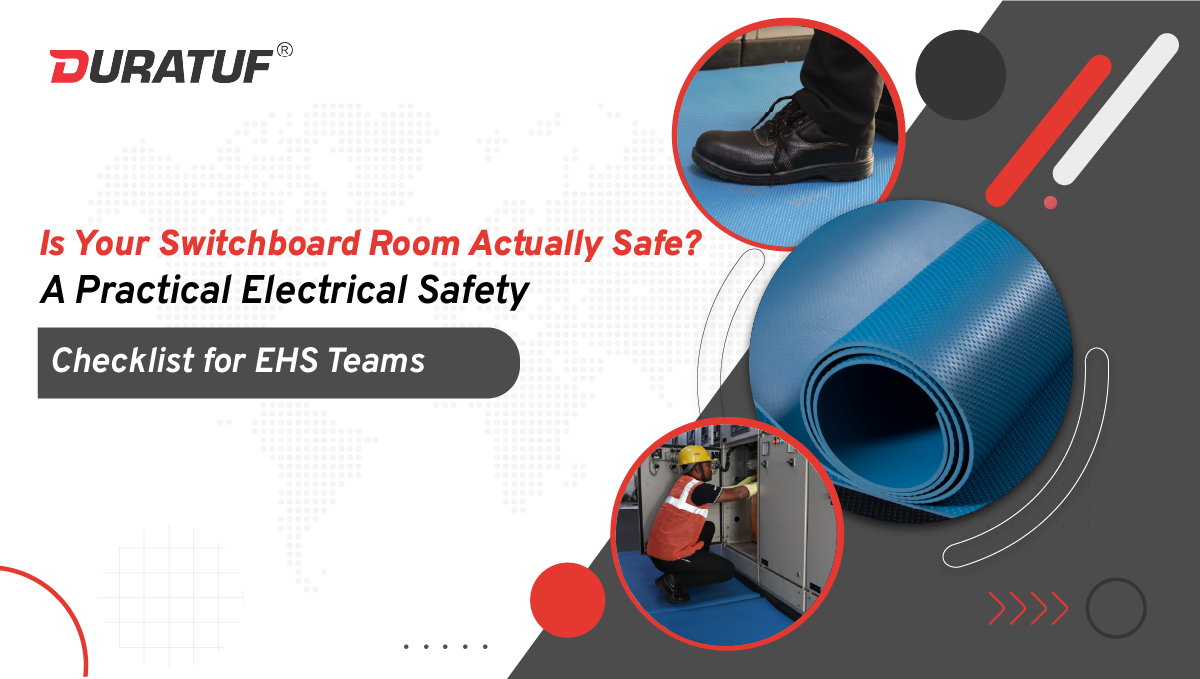
Electrical insulating mats, also known as dielectric rubber mats or switchboard mats, create a protective barrier between the operator and the ground, significantly reducing the risk of electrical shock while working near live equipment.
In this guide, we explain why insulating mats are important, where they are used, how they improve workplace safety, and what industries should consider before selecting electrical safety matting.
Why Are Electrical Insulating Mats Important?
Electrical systems are becoming more advanced and more powerful across industrial sectors. As industries increase automation, energy consumption, and high-voltage operations, the risk associated with electrical hazards also increases.
Without proper insulation protection, workers operating near live electrical systems remain vulnerable to:
- Electrical shocks.
- Leakage current.
- Arc flash incidents.
- Ground faults.
- Equipment failure.
- Electrical burns.
- Fatal electrocution.
Electrical insulating mats act as a frontline safety solution by preventing the grounding path required for electric current to pass through the human body. This significantly improves workplace electrical safety.
How Electrical Insulating Mats Protect Workers?
The ground naturally acts as an electrical conductor. During electrical faults, current seeks the shortest path to the ground. If an operator comes into contact with live equipment while standing on conductive flooring, the human body can become part of the electrical circuit.
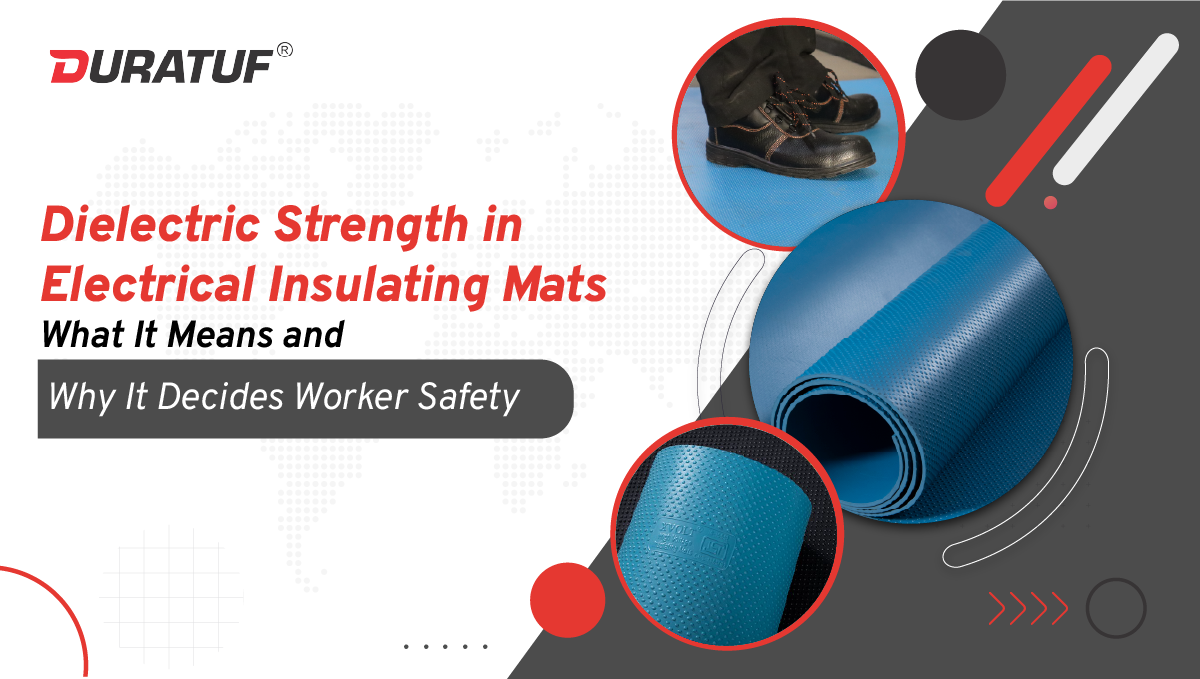
Electrical insulating mats interrupt this path by providing high insulation resistance and dielectric strength, the mats reduce the possibility of electrical current reaching the operator.
This protective barrier becomes especially important in environments with:
- High-voltage electrical systems.
- Moisture-prone floors.
- Heavy industrial machinery.
- Continuous electrical operations.
- Electrical maintenance work.
- Transformer installations.
- Power distribution systems.
Where Are Electrical Insulating Mats Used?
Electrical insulating mats are widely used across industries where electrical safety is critical. They are used in:
- Power Plants: Installed near switchgear systems, control rooms, generators, and electrical maintenance areas.
- Electrical Substations: Used near transformers, bus bars, and high-voltage electrical panels.
- Manufacturing Industries: Factories use insulating mats near production machinery and electrical control systems.
- Commercial Buildings: Installed near electrical rooms, distribution boards, and backup power systems.
- Railways & Metro Systems: Used in electrical maintenance rooms and control systems.
- Data Centers: Protect technicians working near power distribution units and server electrical systems.
- Solar & Renewable Energy Plants: Installed near inverter systems and power management panels.
Key Benefits of Electrical Insulating Mats
Here are some key benefits & significance of electrical rubber mats uses:
- The biggest advantage of electrical insulating mats is operator protection against electrical shock hazards.
- Improve workplace safety compliance
- Helps reduce operational risks.
- Workers feel safer operating electrical equipment when proper safety infrastructure is installed.
- Preventive safety solutions improve business continuity.
- Anti-skid insulating mats also improve grip and operator movement near electrical systems.
Common Electrical Hazards Prevented by Insulating Mats
Electrical insulating mats help reduce risks associated with:
- Leakage current.
- Fault current.
- Live conductor exposure.
- Grounding hazards.
- Arc flash incidents.
- Electrical burns.
- Transformer room hazards.
- Switchboard accidents.
- High-voltage panel operations.
Industrial safety systems should always include proper insulating protection.
Why Electrical Insulating Mats Are Mandatory in Modern Industries
As industrial systems become more electrically dependent, workplace electrical safety can no longer be optional.
Modern industries now operate with:
- Smart automation systems.
- High-power machinery.
- AI-enabled industrial equipment.
- Advanced control systems.
- High-voltage distribution networks.
These systems require stronger electrical safety infrastructure. Electrical insulating mats help this industries improve worker safety, reduce accident risks, improve compliance standards, protect operational continuity and build safer industrial environments
Final Thoughts
Electrical insulating mats are one of the most important safety solutions for industries operating near electrical equipment. These mats help reduce electrical hazards and improve operator safety whether installed near HT panels, switchboards, substations, transformers or industrial machinery.
Choosing certified insulating mats compliant with IS 15652, IEC 61111, and ASTM D178 standards ensures better dielectric performance, workplace safety, and long-term reliability.